Understanding the Leclerc Les Angles Tragedy: A Call for Heightened Workplace Safety
The tragic events that unfolded at the Leclerc Les Angles drive in February 2024 serve as a stark and painful reminder of the critical importance of workplace safety, especially in fast-paced retail and logistics environments. On Saturday, February 10, a dedicated employee, a man in his fifties and an assistant service manager, suffered a fatal fall while performing a seemingly routine maintenance task. This incident, which led to his passing two days later, sent shockwaves through the community near Avignon in the Gard department and highlighted the ever-present dangers that can lurk even in familiar workspaces. For those seeking a deeper understanding of the "Vérité Accident Au Drive Leclerc Des Angles" – the truth behind this devastating workplace accident – this article aims to explore the circumstances, inherent risks, and crucial lessons for preventing future tragedies.
Workplace accidents, particularly those involving falls from height, are preventable. The Leclerc Les Angles incident compels businesses and employees alike to re-evaluate existing safety protocols, enhance training, and foster a culture where vigilance is paramount. This tragedy underscores that no task, however routine, is without its potential hazards, and continuous attention to safety standards is non-negotiable.
The Tragic Details: Unpacking the Incident at Leclerc Les Angles
The incident occurred in the late afternoon of February 10, 2024, at the bustling Leclerc Les Angles drive, a logistical hub that processes hundreds of orders daily. The victim was reportedly attempting to retrieve packages that had become blocked in a suspended rail system within a high-storage area. According to initial reports, he was accessing this elevated zone when his foot became entangled in the metallic structure. In an effort to free himself, he lost his balance and fell approximately three to four meters.
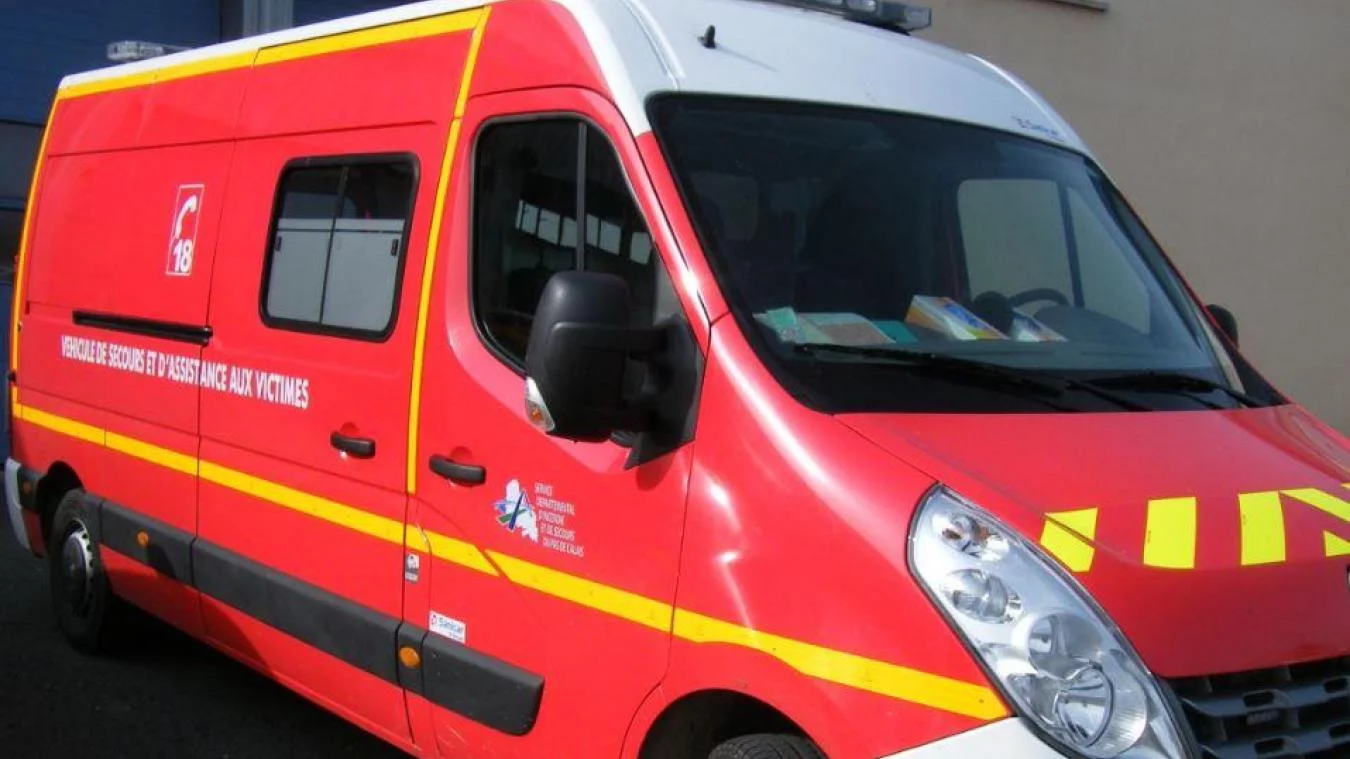
The severity of his injuries was immediately apparent. Emergency services, including SAMU and firefighters, responded swiftly. On-site colleagues and even a doctor who happened to be present provided immediate assistance. Despite intensive efforts at resuscitation, the employee was airlifted by helicopter to Marseille North Hospital. Tragically, he succumbed to his injuries two days later, on Monday, February 12, 2024. This devastating outcome deeply affected his colleagues, customers, and the wider local community, underscoring the profound human cost of workplace accidents. More details on the events can be found in related coverage: Fatal Accident at Leclerc Les Angles: Employee Dies After Fall and Leclerc Les Angles Drive: Unpacking the Fatal Fall Details.
The Leclerc Les Angles drive, like many similar operations, is an environment where work is both mechanized and manual. Employees frequently use ladders, platforms, trolleys, and rails to handle and move parcels. While designed for efficiency, these spaces, particularly those with elevated storage, present inherent physical risks that demand rigorous safety measures.
Identifying Common Workplace Hazards in Logistics and Retail Drive-Thrus
The nature of work in logistics and retail drive-thru centers, like the Leclerc Les Angles facility, involves unique challenges that can lead to significant safety risks. Understanding these common hazards is the first step toward effective prevention:
- Working at Height: As tragically demonstrated in Les Angles, tasks involving access to elevated storage, shelves, or machinery carry a high risk of falls. This includes using ladders, mobile elevated work platforms (MEWPs), or even climbing on structures not intended for access.
- Moving Equipment and Machinery: Forklifts, pallet jacks, conveyor belts, and automated rail systems are integral to these operations. Mishandling, equipment malfunction, or lack of proper training can lead to collisions, crushing injuries, or entanglement.
- Manual Handling and Ergonomic Risks: Repetitive lifting, twisting, and carrying of packages, often heavy or awkwardly shaped, can result in musculoskeletal injuries over time.
- Slips, Trips, and Falls (STFs) at Ground Level: Spills, uneven surfaces, obstructed walkways, poor lighting, or insufficient housekeeping practices contribute significantly to ground-level STFs, which can cause serious injuries.
- Fast-Paced and High-Pressure Environments: The demand for speed and efficiency in processing orders can lead to rushed decisions, shortcuts, and a potential reduction in attention to safety protocols.
- Inadequate Training and Supervision: A lack of comprehensive training on safe operating procedures, emergency protocols, or the correct use of personal protective equipment (PPE) can leave employees vulnerable. Insufficient supervision means unsafe practices might go unnoticed or unaddressed.
- Defective or Unsuitable Equipment: Using damaged ladders, faulty platforms, or unmaintained machinery significantly increases the risk of mechanical failure and subsequent accidents.
Proactive Safety Measures: Prevention Strategies for High-Risk Environments
Preventing tragedies like the one at Leclerc Les Angles requires a multi-faceted approach, integrating robust safety protocols, advanced equipment, and a pervasive safety culture. Businesses operating in similar environments must commit to continuous improvement in these areas:
Comprehensive Risk Assessments and Hazard Identification
Regular and thorough risk assessments are foundational. This involves systematically identifying all potential hazards in the workplace, evaluating the likelihood and severity of harm, and implementing control measures. For tasks involving working at height, this means assessing the specific methods of access, the stability of platforms, and the necessity of fall protection.
Implementing Safe Work Procedures (SWPs)
Every task, especially those identified as high-risk, should have clear, documented Safe Work Procedures. These procedures must detail the correct steps, necessary equipment, and safety precautions. For retrieving blocked items from height, this might include:
- Using only approved and regularly inspected access equipment (e.g., certified ladders, scissor lifts, or order pickers).
- Ensuring clear communication and supervision during high-risk tasks.
- Prohibiting climbing on non-designated structures.
- Implementing a permit-to-work system for specific maintenance or retrieval operations.
Appropriate Equipment and Rigorous Maintenance
All equipment, from ladders and platforms to conveyor systems, must be fit for purpose, regularly inspected, and properly maintained. Defective equipment should be immediately removed from service and repaired or replaced. Investment in modern, safer equipment, such as automated retrieval systems that reduce the need for manual access to height, can significantly mitigate risks.
Continuous Training and Awareness Programs
Effective training goes beyond initial onboarding. It needs to be continuous, refreshed periodically, and cover specific hazards and safe practices. Training should include:
- Proper use of all equipment, including ladders and platforms.
- Understanding and following SWPs.
- Identifying and reporting hazards and near misses.
- Emergency procedures and first aid.
- The importance of Personal Protective Equipment (PPE), such as safety helmets, non-slip footwear, and fall arrest systems where applicable.
Fostering a Strong Safety Culture
Ultimately, safety is a shared responsibility. A strong safety culture, where employees feel empowered to report concerns without fear of reprisal and where management visibly prioritizes safety, is crucial. This involves:
- Leadership commitment and visible involvement in safety initiatives.
- Encouraging employees to intervene if they spot unsafe practices.
- Implementing a "stop work" authority for immediate hazards.
- Regular safety meetings and feedback mechanisms.
Conclusion: Learning from Tragedy to Build Safer Workplaces
The tragic accident at the Leclerc Les Angles drive is a somber reminder that vigilance in workplace safety can never be relaxed. The human cost of such incidents is immeasurable, impacting not only the victim and their family but also colleagues and the broader community. Understanding the "Vérité Accident Au Drive Leclerc Des Angles" involves not just knowing the facts of what happened, but also internalizing the profound lessons it offers about preventable risks.
For businesses, it’s a powerful call to action: to critically assess existing safety measures, invest in safer equipment and comprehensive training, and cultivate a robust safety culture where every employee is an active participant in preventing harm. For employees, it’s a reminder to always prioritize safety, adhere to procedures, and speak up about potential hazards. By learning from this tragedy, we can collectively strive to create safer working environments, ensuring that such devastating incidents become rare exceptions rather than avoidable realities.