Leclerc Les Angles Drive: Unpacking the Fatal Fall Details
The morning of Saturday, February 10, 2024, began like any other at the bustling Leclerc Drive in Les Angles, a commune nestled near Avignon in France's Gard department. Yet, by late afternoon, the routine efficiency of this essential logistics hub was shattered by a tragic event that would deeply impact its employees, the local community, and beyond. This article aims to delve into the specific details surrounding the fatal fall, exploring the circumstances, the immediate aftermath, and the broader implications for workplace safety in similar environments. For those seeking the full account, understanding the Vérité Accident Au Drive Leclerc Des Angles means piecing together the timeline, the operational context, and the critical lessons that emerge from such a profound loss.
The Fateful Incident: A Routine Task Turns Tragic
The victim, a dedicated employee in his fifties who served as the assistant service manager at the Leclerc Drive, was engaged in what appeared to be a routine maintenance task. In the fast-paced world of drive-through logistics, where hundreds of orders are prepared daily, employees often navigate high storage areas and intricate racking systems. On this particular Saturday afternoon, the employee was attempting to retrieve or dislodge blocked packages from a elevated storage platform or a system of suspended rails. These tasks, while common, inherently involve risks, particularly when working at height.
According to initial reports, the incident occurred when the employee, while trying to access the packages, had his foot become entangled or caught in the metallic structure of the storage system. In his attempt to free himself and regain stability, he tragically lost his balance. What followed was a devastating fall, estimated to be between three and four meters (approximately 10 to 13 feet). The immediate shock of the fall sent ripples through the drive, drawing the attention of colleagues and customers present at the time.
A Timeline of Tragedy and Response
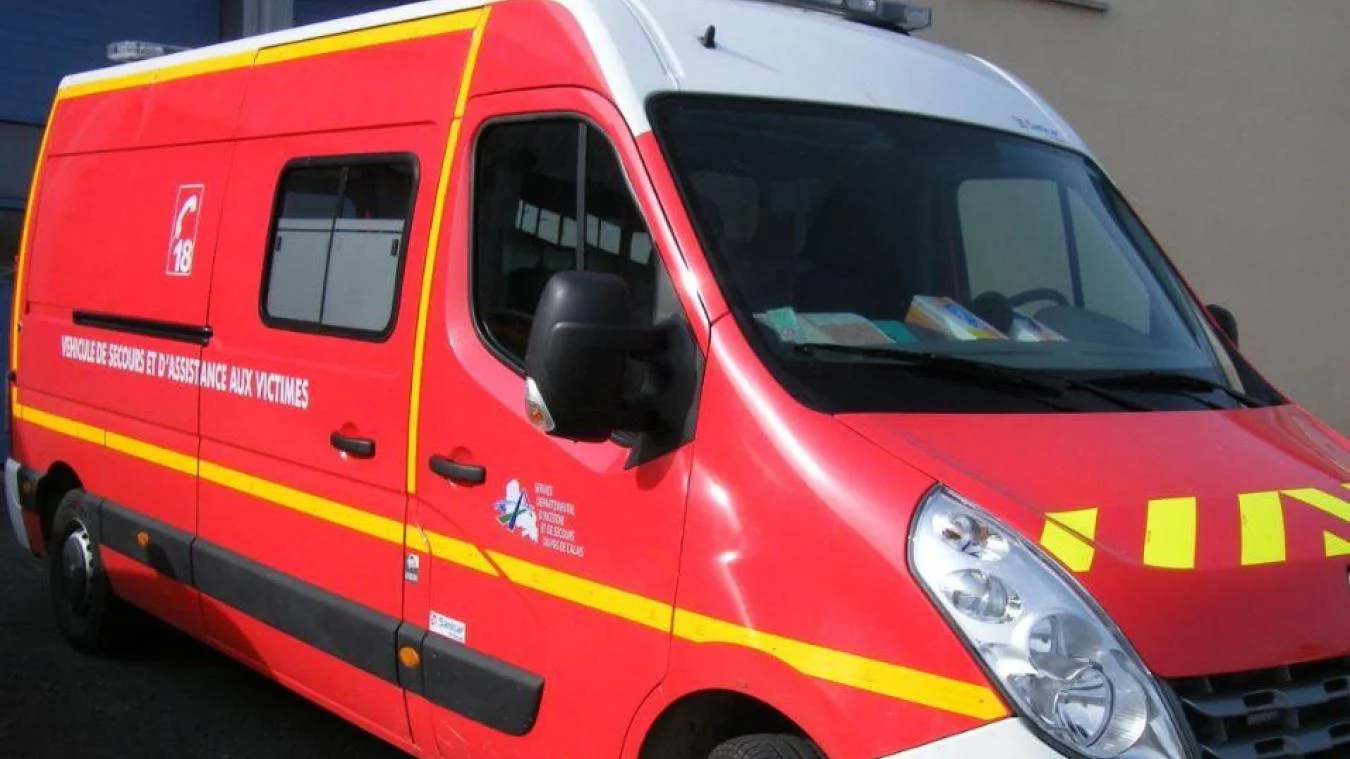
The fall resulted in severe injuries, necessitating an immediate and urgent response. Colleagues and customers, including a doctor who happened to be at the drive, quickly rendered assistance, attempting to stabilize the injured employee. Emergency services, comprising SAMU paramedics and firefighters, arrived swiftly on the scene. Their rapid intervention included multiple attempts at reanimation, underscoring the critical nature of the victim's condition.
Given the gravity of his injuries, the employee was transported by helicopter to the Nord Hospital in Marseille, a major trauma center known for its intensive care capabilities. Despite the dedicated efforts of medical professionals and the intensive care provided, the employee succumbed to his injuries two days later, on Monday, February 12, 2024. His passing transformed a workplace accident into a profound tragedy, leaving a lasting impact on all who knew him and the wider community. The search for the Vérité Accident Au Drive Leclerc Des Angles thus became not just about understanding what happened, but also about honoring the memory of a lost colleague.
Beyond the Immediate: The Nature of Drive Operations and Inherent Risks
The Leclerc Drive in Les Angles, like many similar operations, represents a highly active logistics zone. These facilities are designed for efficiency, where hundreds of orders are processed, picked, and prepared for customer collection daily. The work environment is characterized by a sustained rhythm, requiring employees to constantly load, move, and verify products. This often involves navigating complex layouts, which may include working in elevated areas, narrow aisles, and around various mechanical aids.
The mechanization of tasks in such drives, while improving efficiency, does not eliminate manual labor or its associated risks. Equipment such as ladders, mobile platforms, forklifts, and elaborate conveyor or rail systems are integral to daily operations. While essential, these tools and environments, even when well-organized, present inherent physical hazards. A moment's lapse in attention, a piece of equipment that is less than perfect, or even a slippery surface can quickly escalate into a serious incident. The fatal accident at Leclerc Les Angles serves as a stark reminder that preventative measures must be constant and rigorously applied, even during tasks considered "habitual."
Insight: The incident highlights a critical challenge in modern logistics: balancing speed and productivity with uncompromising safety. When employees are tasked with retrieving items from height, particularly when systems jam or require intervention, the method and equipment used become paramount. Even a seemingly minor deviation from protocol or the use of improvisation can have catastrophic consequences.
Practical Tip: For any operation involving work at height, regardless of frequency or perceived risk level, it is essential to have clear, documented procedures. This includes mandatory use of appropriate fall protection equipment, stable access platforms, and, where possible, systems that minimize the need for manual intervention in elevated areas. Regular safety briefings and refreshers are also crucial for reinforcing safe practices.
Understanding the "Vérité Accident Au Drive Leclerc Des Angles": Investigations and Lessons Learned
In the aftermath of such a severe workplace accident, various authorities launch investigations to establish the precise chain of events, identify any contributing factors, and determine if safety regulations were adhered to. These investigations are crucial for uncovering the full Vérité Accident Au Drive Leclerc Des Angles. Typically, such inquiries involve:
- Labor Inspectorate: This body examines compliance with labor laws, workplace safety standards, and whether the employer had implemented appropriate risk prevention measures.
- Judicial Police: In cases of fatal accidents, a judicial investigation may be opened to determine if there was any criminal negligence.
- Internal Company Investigations: The employer will also conduct its own review to understand what went wrong and how to prevent future incidents.
The purpose of these investigations extends beyond assigning blame; it is fundamentally about prevention. By thoroughly analyzing the circumstances – from the condition of the equipment to the specific task being performed and the safety training provided – invaluable lessons can be learned. These lessons then inform improvements in safety protocols, equipment design, and employee training across the industry.
Insight: The term "Vérité" (truth) in this context refers to the comprehensive understanding derived from these detailed inquiries. It's about piecing together not just *what* happened, but *why* it happened, to ensure such a tragedy does not recur. The emphasis is often on systemic issues rather than individual fault, aiming for a safer working environment for everyone.
Practical Tip: Employers should conduct frequent and thorough risk assessments, not just during initial setup but continuously, especially after any near-misses or incidents. All equipment, particularly that used for working at height, must undergo regular maintenance and certification. Employees must be empowered and encouraged to report any unsafe conditions or practices without fear of reprisal. This proactive approach is fundamental to building a robust safety culture and mitigating workplace hazards. For more on preventative measures, consider exploring resources on Workplace Safety Risks: Lessons from Leclerc Les Angles Tragedy.
Enhancing Workplace Safety: Preventative Measures and Best Practices
The tragic loss at Leclerc Les Angles serves as a stark reminder of the critical importance of workplace safety. For logistics operations, particularly those involving work at height and fast-paced manual handling, continuous vigilance and adherence to best practices are non-negotiable. Here are some key preventative measures and actionable advice:
- Comprehensive Risk Assessments: Regularly review and update risk assessments for all tasks, especially those involving elevated work or complex machinery. Identify potential hazards, evaluate their severity and likelihood, and implement control measures.
- Rigorous Training and Certification: Ensure all employees receive thorough and up-to-date training on safe operating procedures, emergency protocols, and the correct use of all equipment, particularly ladders, platforms, and fall protection gear. Certification for specific tasks, like working at height, should be mandatory and periodically renewed.
- Equipment Maintenance and Inspection: Implement a stringent schedule for inspecting and maintaining all equipment. This includes visual checks before each use, regular professional servicing, and prompt repair or replacement of any defective items. All access equipment must be certified and suitable for its intended purpose.
- Clear Safety Protocols and Enforcement: Establish clear, unambiguous safety protocols for all tasks. These must be communicated effectively to all staff and strictly enforced. Create an environment where adherence to safety rules is paramount and non-compliance is addressed appropriately.
- Fostering a Culture of Safety: Encourage employees to actively participate in safety discussions, report hazards, near-misses, and suggest improvements without fear of reprisal. A strong safety culture where everyone takes responsibility for their own and their colleagues' safety is invaluable.
- Ergonomic Workspace Design: Design workspaces to minimize the need for employees to stretch, climb, or work in awkward positions. Optimize shelving heights, aisle widths, and material flow to reduce physical strain and the risk of accidents.
- Adequate Staffing and Rest Periods: Ensure sufficient staffing levels to prevent overwork and fatigue, which can significantly impair judgment and increase the likelihood of accidents. Mandate regular breaks and rest periods.
By prioritizing these measures, companies can create a safer environment, protecting their most valuable asset – their employees. The lessons from this incident, detailed further in articles like Fatal Accident at Leclerc Les Angles: Employee Dies After Fall, underscore the constant need for vigilance and improvement in workplace safety practices.
Conclusion
The fatal fall at Leclerc Les Angles Drive in February 2024 stands as a solemn reminder of the inherent risks present in even the most routine workplace environments. The loss of a dedicated assistant service manager, a man in his fifties, while performing a seemingly ordinary task, underscores the critical importance of unwavering commitment to workplace safety. While investigations into the Vérité Accident Au Drive Leclerc Des Angles will continue to shed light on the exact contributing factors, the broader takeaway is clear: prevention must be an ongoing, proactive effort. Every employer has a responsibility to provide a safe working environment, and every employee has a role to play in upholding safety standards. By diligently implementing and continually reviewing comprehensive safety measures, fostering a strong safety culture, and learning from tragic incidents, we can collectively strive to prevent similar heart-wrenching losses in the future, ensuring that workplaces are as safe as they are productive.